


About Dopoi
Connecting You To The Heartbeat
Of The Maasai Culture In The Masai Mara
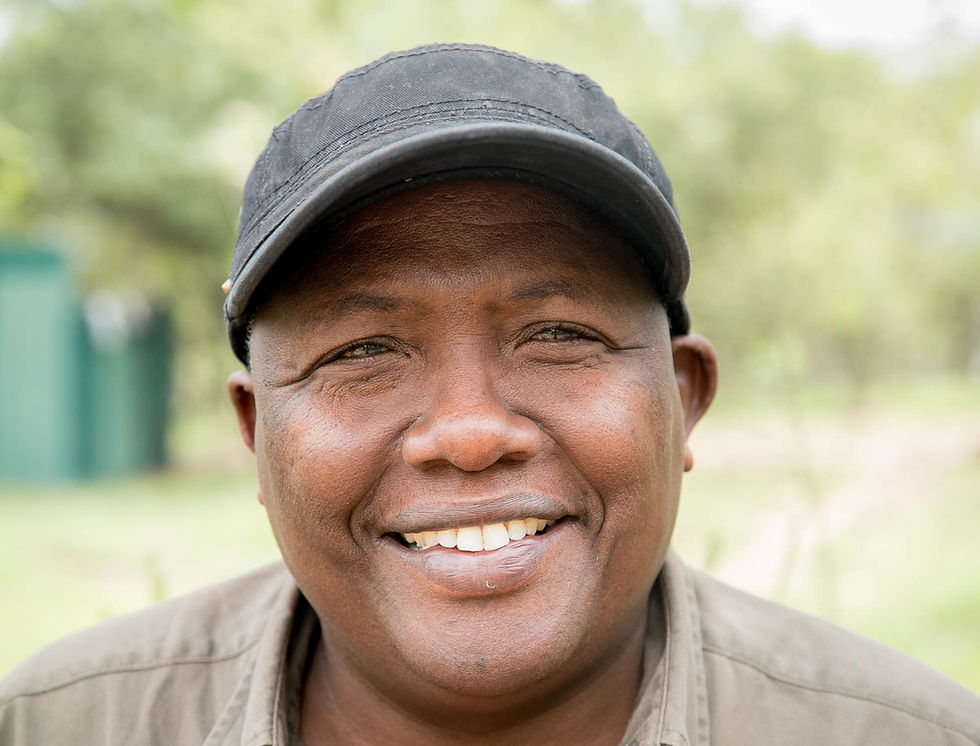.jpg)
Meitamei Olol Dapash
Co-Founder
Meitamei is a community leader and activist, founder of MERC, and candidate for the Kenyan Senate in 2022. Meitamei was taken to school at a young age from his home community in Narok District and has gone on to use his subsequent education to advocate for the Maasai community, to stopping the illegal appropriation of Maasai people’s traditional lands for commercial development, agriculture, mining, irresponsible tourism operations, indiscriminate clearing of forests, and other forms of development that are destructive to Maasai culture, African wildlife and the delicate habitat they share. Having graduated from Edgerton College in 1987 at the age of 24, he founded MERC Kenya to coordinate, resource, and represent grassroots efforts of 150 Maasai organizations and community leaders.
In response to a climate of political repression in Kenya, in the early 1990s Meitamei traveled to the U.S. to find international allies for the Maasai community, and established MERC US in Washington State in 1994. As the Executive Director of MERC’s international office based in Washington D.C. for several years, Meitamei represented the interests of Maasai people in the Species Survival Network, Cultural Survival, and at international forums including the CITIES convention (International Trade In Endangered Species). He has taught seminars at Harvard, consulted with the World Bank, spoken on the BBC and Voice of America, and has articles published in numerous publications including Humane Society Magazine, Cultural Survival Quarterly, and the African Wildlife Institute.
Meitamei ran for Parliament as an ODM-Kenya candidate in the Narok North district of Kenya in 2007, 2013 and 2017, typically through grassroots party coalitions. He has led the fight for the return of Mau Narok, a 30,000 acre region of traditional Maasai homeland, since 2008. A Synergos fellow since 2011, Meitamei currently co-directs MERC with Mary Poole, and is director of the Dopoi Center and the Mara Guides Association sponsor. Meitamei is a PhD graduate at Prescott College in Sustainability Education and co-author of the new book, Decolonizing History in Maasailand.
Our Mission
To reimagine tourism to foster understanding and respect for Maasai culture and traditions while contributing to resilient development in Maaasailand.

Our Story
The Dopoi Center is named for Dopoi Olol Dapash, a leader of the Purko section of the Maasai community, who lived between 1885 and 2001, and was a radical anti-colonial leader of the Maa Nation.
The Dopoi Center was founded in 2007 as a center for community organizing, cultural survival, and conservation.
Today, the Dopoi Center is an established Indigenous-based tourism destination offering a new way to travel in the Maasai Mara.
Our Vision
A Maasai community that occupies our homeland as a distinct society, with the economic security and political power to determine our own future. We are a community that welcomes all peoples who respect our culture, the wildlife and the land itself.
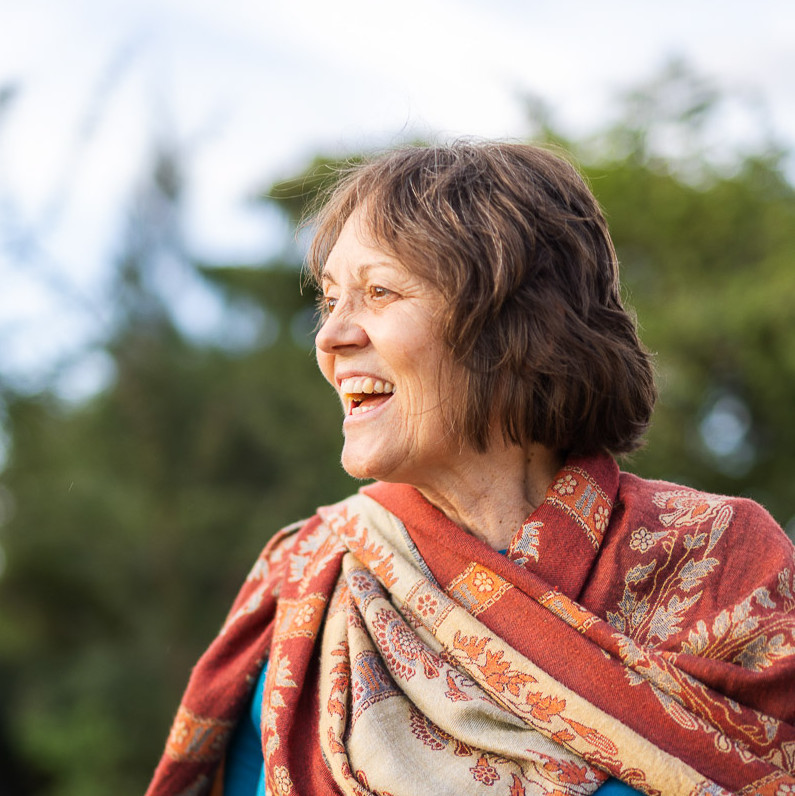
Mary Poole
Co-Founder
Mary Poole is a historian of U.S. and African history, with an emphasis on histories of social movements, racial capitalism, colonialism, feminist and other critical social theory, and Indigenous decolonizing research methods. She has served on the faculty of Prescott College in Arizona since 2003. In the 1980s, she served as a fiscal analyst for the Washington State Senate Ways & Means Committee overseeing welfare policy during a period of federal dismantling of the U.S welfare state and rapid prison expansion and the corresponding increase in racially discriminatory drug laws. She later served as Executive Director for Early Options for Unintended Pregnancy, a non-governmental organization established to teach family practice doctors techniques of early abortion.
She earned her PhD at Rutgers, which led to her first book, The Segregated Origins of Social Security: African Americans and the Welfare State (UNC: 2006) which demonstrates how the U.S. welfare state operates as a mechanism of racial capitalism, producing economic security as a property of whiteness. She has worked closely for over two decades with Meitamei Olol Dapash on land rights, environmental justice and decolonizing research, and has co-directed through that time the Institute for Maasai Education, Research & Conservation (MERC) and the Dopoi Center. She is co-author of Decolonizing Maasai History: A Path to Indigenous African Futures, (Zed Books/Bloomsbury, 2025).
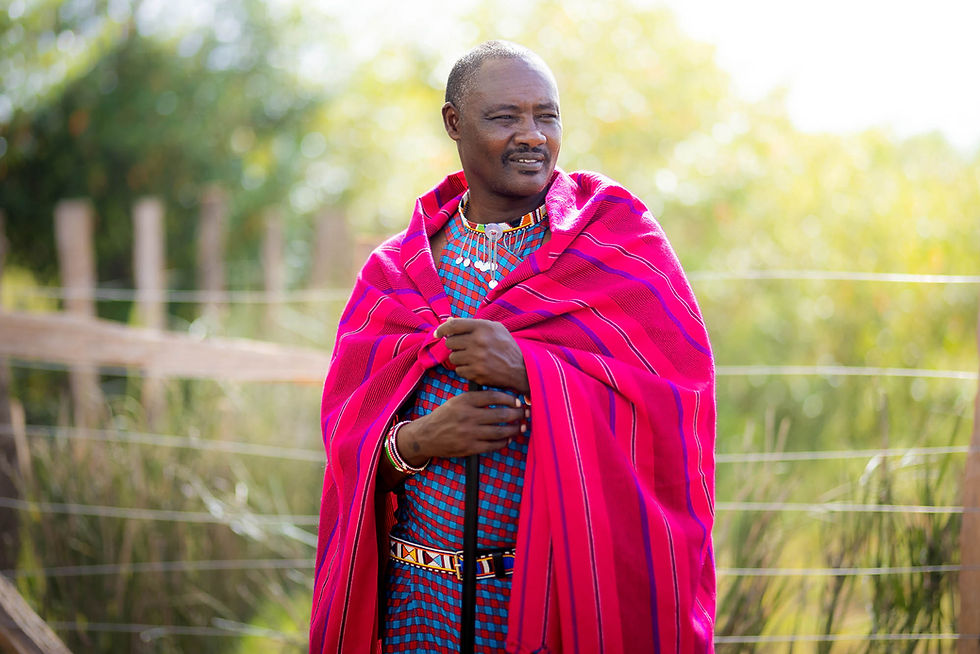
Donkol Ole Keiwa
Director of Language & Culture
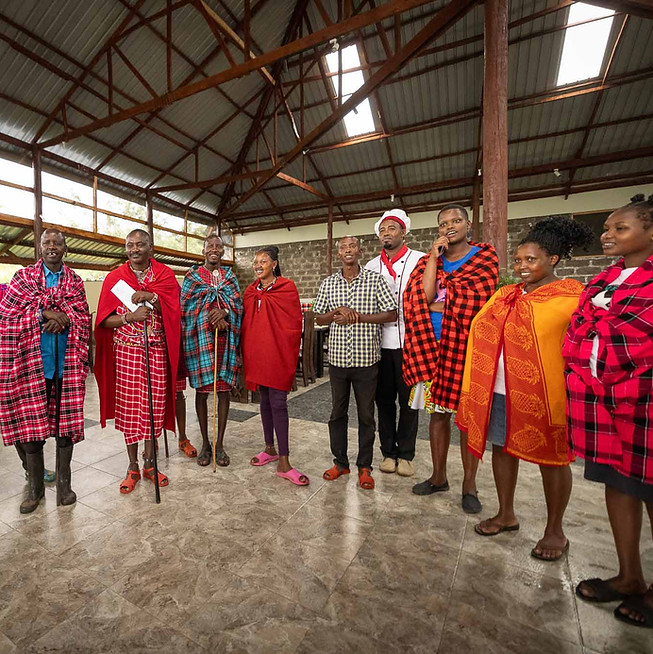
Dopoi Center Staff
Dopoi Center maintains a staff that is eager to welcome you!
Key Partnerships
The Dopoi Center is the East African home of the Institute for Maasai Education, Research & Conservation (MERC), a justice based international organization founded in 1987, and directed by Meitamei Olol Dapash. MERC organizes campaigns for Maasai land rights, wildlife and ecosystem protection through Indigenous Maasai knowledge, decolonized research and Maasai history.
Over the last 5 years especially, Dopoi’s infrastructure has exploded as the vision that Meitamei Olol Dapash and Mary Poole carefully tended for decades takes shape in the form of strongly rooted programs that represent the wide spectrum of influence that Dopoi has.
Meitamei and Mary’s vision becomes more of a reality with each person who lands here, and is touched by the loving welcome, immediate inclusion and the sense of so much good work needing to be done.
The projects and partnerships at Dopoi span a many-layered landscape:
Maasai Cultural & Economic Sovereignty:
- Maasai Land Rights campaigns, and legal proceedings that have led to the return of land to the community.
- Labor organizing in the Maasai Mara through the establishment of the Mara Guides Association (MGA), providing greater employment for Maasai people.
- Maasai Scholarship Fund for primary and secondary students.
- Maasai-led conferences and gatherings that happen throughout the year.
- Paralegal Training Program to train and share knowledge of rights and constitutional protections to support an array of activism, especially land rights.
- Partnered with Rotary International to build four community wells that serve 50,000 community members.
- Advocacy for community involvement in land management and care for wildlife in the Maasai Mara Wildlife Reserve.
Education Partnerships That Support The Maasai Community:
- Book publication of Dapash & Poole: Decolonizing Maasai History, Bloomsbury Publishing, 2025 - a 20-year research project to deconstruct Maasai history.
- Book publication of first ever English-Maa dictionary, by Maasai elder Donkol Ole Keiwa, in collaboration with Prescott College students.
- Maasai Field Guide Training program - education and certification for Maasai guides thru Prescott College.
- Maasai Automotive Education Center (MAEC) has trained 5 Maasai mechanics - with goal of supporting the Mara Guides Association and expansion of Maasai-led tourism.
- Community-initiated Maasai Museum, currently underway.
- Online Maasai historical archives that will house thousands of documents sourced worldwide, currently underway.
- Host researchers and maintain protocols to ensure researchers have appropriate access to community knowledge and guidance in collaborative undertakings.
- Host numerous field studies programs, including Maasai Solidarity Studies with Prescott College (undergraduate, graduate and post-graduate)
- Develop community-centered experiential curriculum that teaches Maasai history in the context of world history and advanced capitalism.